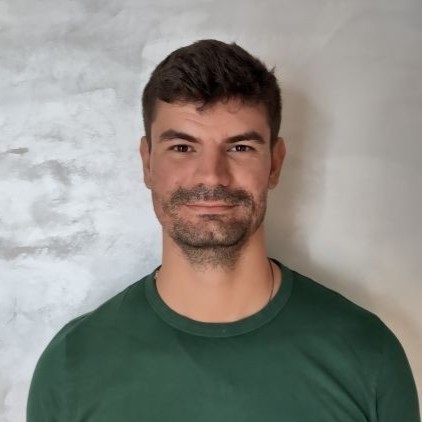
Alban Muca Krashi is Demonstrators Coordinator at Opus Independents and co-founder of The River Dôn Project, where he works at the intersection of ecological economics, participatory governance, and systemic transition. His professional background spans eight years in the social care sector, addressing homelessness, mental health, domestic abuse, and substance misuse, complemented by extensive volunteer experience in restorative justice, mentoring, and social enterprise.
Alban’s work focuses on building inclusive, practice-based pathways for a just and sustainable transition. He coordinates multi-stakeholder demonstrators in Sheffield that integrate civic participation, institutional collaboration, and ecological stewardship. Through The River Dôn Project, he develops participatory infrastructures that foreground relational practices, more-than-human ethics, and community co-governance of shared environmental resources, including rivers. These initiatives combine art-based inquiry, ecological science, and civic engagement to prototype alternative governance models and embed democratic, ecological, and social justice principles into local systems.
He emphasises relational accountability, equity, capability-building, and epistemic pluralism, ensuring that community knowledge, lived experience, and ecological considerations shape decision-making alongside formal expertise. Alban’s approach highlights that systemic transformation is as much cultural and relational as technical or structural, requiring long-term trust-building, iterative experimentation, and inclusive collaboration.
Through the Practice-Builders’ Network, Alban seeks to share insights from place-based demonstrator projects, participatory governance design, and civic capacity-building, while learning from peers pioneering socio-ecological change. His aim is to strengthen collective capability, refine tools and narratives for systemic transition, and foster ethical, inclusive, and regenerative approaches that align ecological, social, and economic goals—supporting the creation of joined-up, sustainable, and socially just futures.